The Hidden Risk of Depending Too Much on One Platform

Illustration of risks from depending on a single platform, including vendor lock-in, pricing changes, outages, policy shifts, and limited flexibility

Heavy reliance on a single social media platform, marketplace, or cloud provider creates a dangerous single point of failure. When that platform changes its rules, suffers an outage, or suspends your account, your entire business can grind to a halt. Key Takeaways Platform dependency can hurt business continuity, marketing strategy, and revenue when algorithms, terms, … Read more


How to Build a Platform Stack That Supports Growth

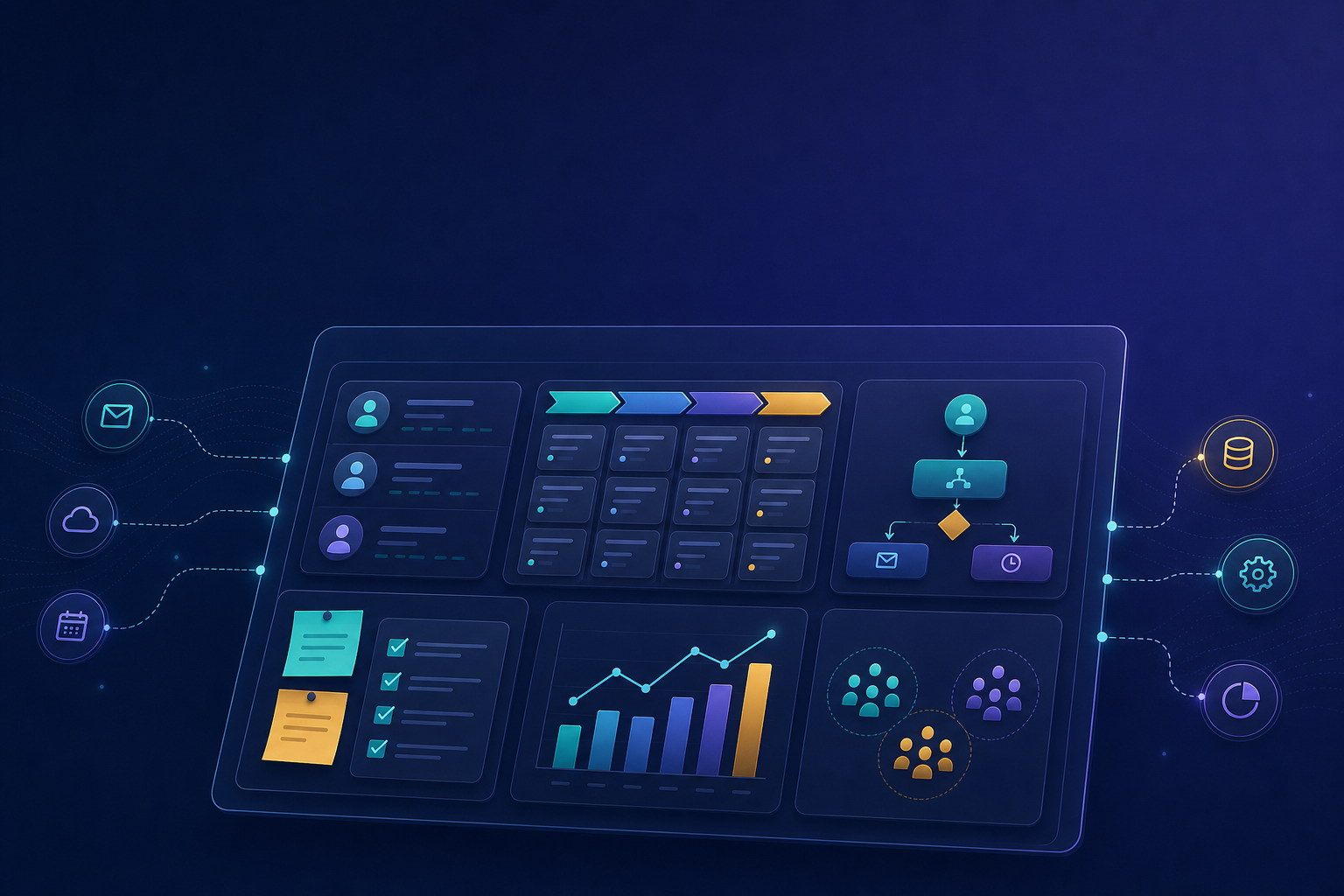
Layered platform stack illustration with CRM, payments, analytics, communication, project management, automation, and reporting supporting business growth

Key Takeaways A growth-ready platform stack starts from clear business goals and customer journeys, not from vendor lists or trending tools. Before selecting any platform, map what you want to achieve-whether that’s reducing churn, increasing average order value, or speeding up sales cycles. Clean, unified customer data is the foundation for every other layer. Your … Read more

Why Every Platform Needs a Clear Owner

Business professional serving as clear owner of a platform with accountability for maintenance, permissions, documentation, and process control

Key Takeaways Clear platform ownership is the first step for reliability, data quality, and governance in any enterprise. Every major platform (ServiceNow, Salesforce, Snowflake, SAP) must have a named platform owner with authority, budget, and dedicated time. Unclear ownership drives outages, failed AI deployments, and SLA compliance issues across enterprise environments. Platform ownership and data … Read more

When to Replace a Platform Instead of Fixing It

Professional evaluating a heavily patched failing software platform versus replacing it with a cleaner alternative

Key Takeaways The repair or replace decision for platforms like CMMS, ERP, EAM, and asset management software is a financial, technical, and risk decision-not just an IT choice. Deciding between fixing and replacing a platform requires evaluating the total cost of ownership (TCO), operational impact, and strategic alignment. Consider a new asset when annual maintenance … Read more

The Platform Decisions That Shape How a Business Scales

Business team reviewing how early platform software decisions affect scaling, hiring, automation, and customer experience

Key Takeaways Early choices on your platform business model, APIs, and ecosystem incentives lock in or limit your growth potential. Network effects, operational efficiency, and aligned monetization are the three main levers that determine how digital platforms scale. Misaligned marketplace fees, weak technical foundations, and delayed data strategy are common reasons platforms stall after initial … Read more

Why Reporting Should Be Considered Before Choosing a Platform

Illustration emphasizing dashboards, KPIs, attribution, and sales reporting as key factors to evaluate before selecting a business platform

Key Takeaways Reporting drives platform choice, not the other way around. Define your reporting requirements before evaluating any CRM, ERP, or marketing tool. Skipping this step leads to costly re-platforming within 12–24 months. Companies like Birmingham City Council spent £250,000 monthly on manual workarounds after their Oracle implementation failed to deliver functioning reports. Strong reporting … Read more

The Role of Data Quality in Platform Performance

Illustration showing poor data quality undermining an otherwise capable platform dashboard and its performance

Platform performance in 2026 depends as much on data quality as it does on infrastructure speed. You can have perfect uptime and sub-millisecond latency, but if your data is inconsistent or incomplete, your platform still underperforms where it matters most. Research indicates that poor data quality can cost U.S. businesses approximately $3.1 trillion annually. That … Read more

How Platforms Improve Customer Visibility (and Turn Data into Real Engagement)

Illustration of a centralized customer profile showing interaction history, orders, support notes, and behavior tracking for improved visibility

In today’s digital world, knowing your customers isn’t optional-it’s survival. Platforms are changing how businesses connect with their audiences by turning scattered data into clear, actionable views of who customers are and what they need. This guide breaks down exactly how platforms improve customer visibility. You’ll learn specific techniques, see a comparison table for quick … Read more

Why CRM Platforms Fail Without a Clear Customer Journey

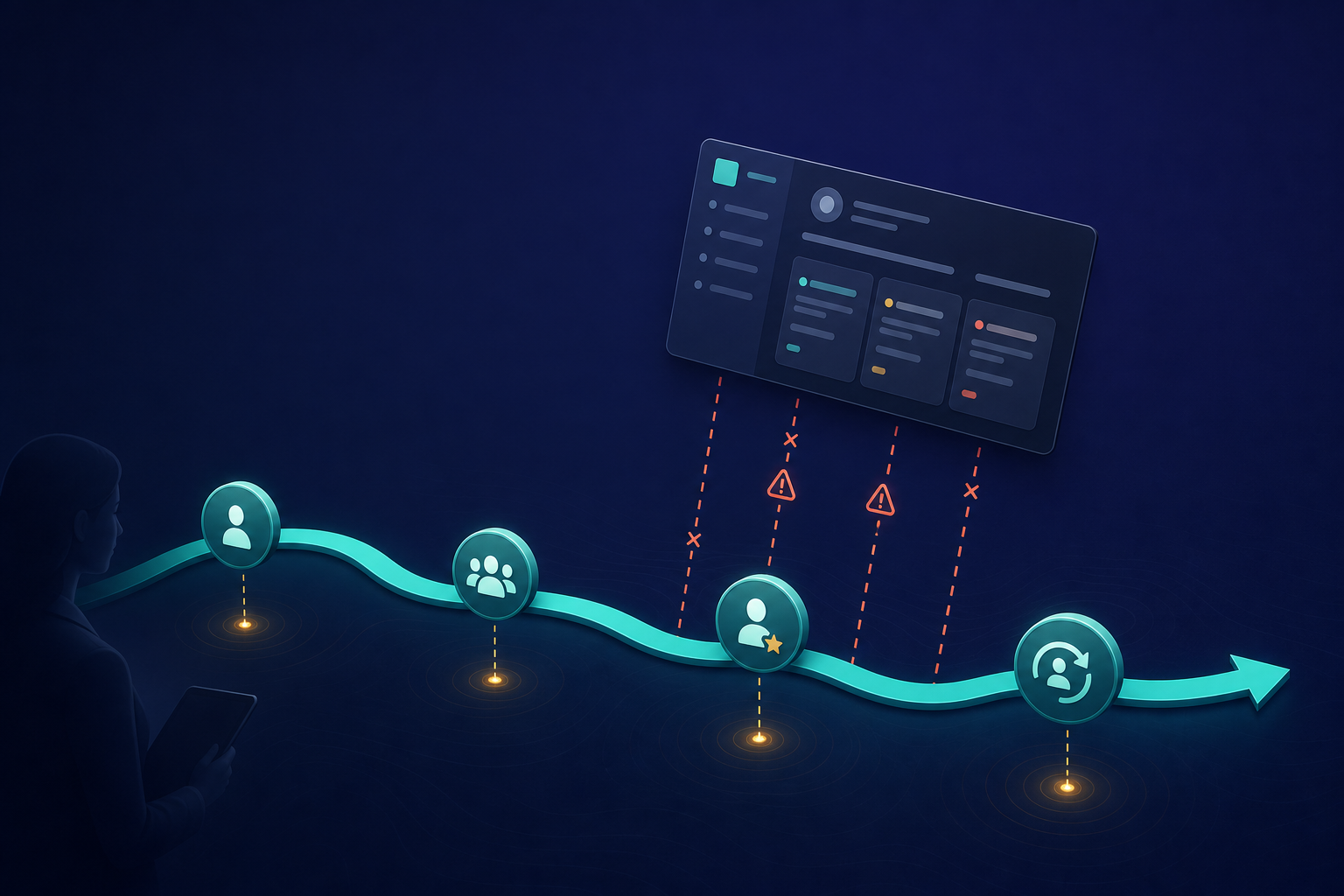
Illustration of a customer journey path with a CRM system misaligned versus properly aligned with how leads and customers move through the business

Key Takeaways Most CRM implementations fail because they are not built around an explicit, end-to-end customer journey. Approximately 70 percent of CRM projects fail to deliver the expected value, often due to leadership or executive ownership issues, weak adoption strategies, and lack of governance after the system goes live. Unclear journeys lead to poor data … Read more