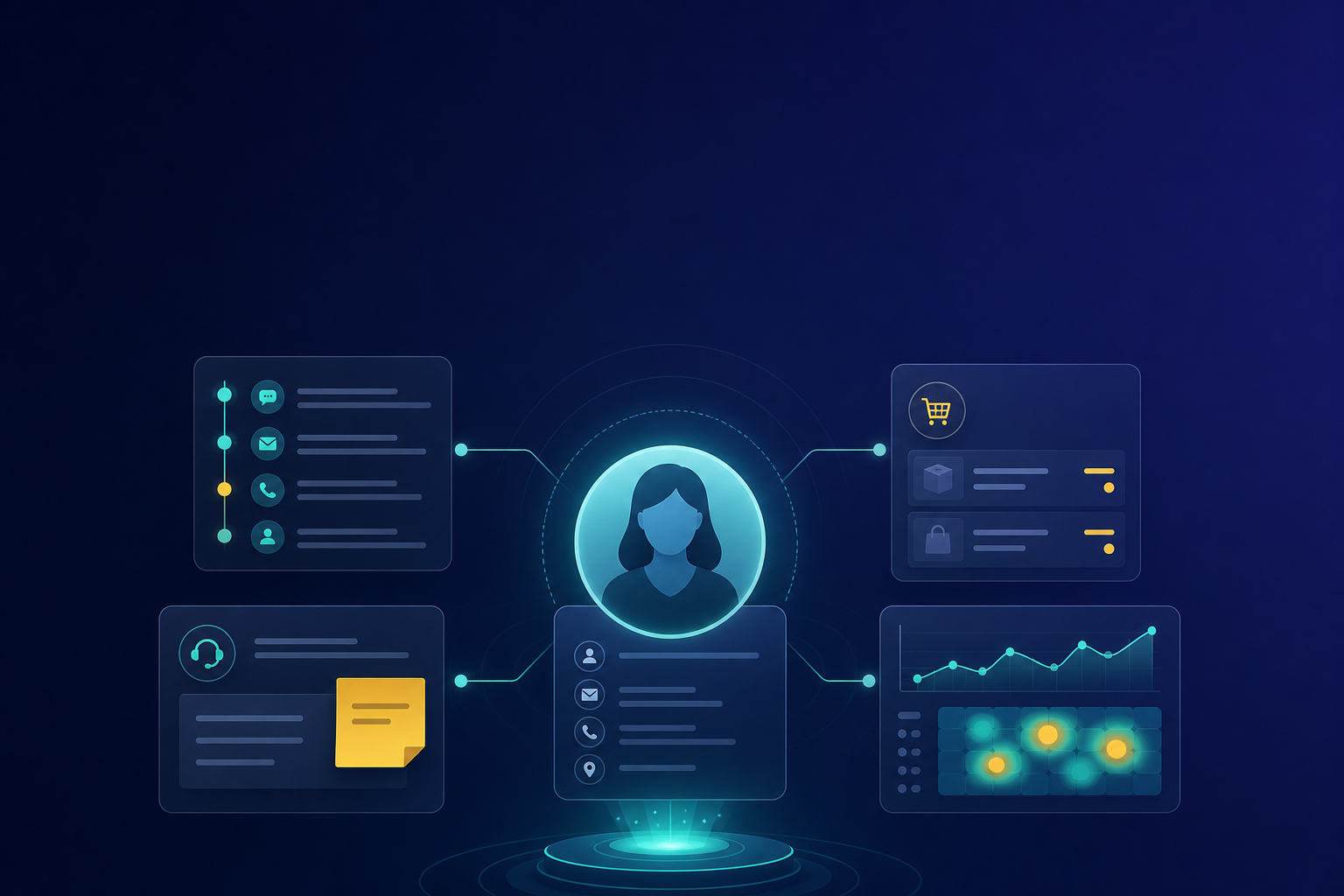
In today’s digital world, knowing your customers isn’t optional-it’s survival. Platforms are changing how businesses connect with their audiences by turning scattered data into clear, actionable views of who customers are and what they need.
This guide breaks down exactly how platforms improve customer visibility. You’ll learn specific techniques, see a comparison table for quick decisions, and get practical steps whether you’re just starting out or ready for advanced methods.
Table of Contents
ToggleKey Takeaways
Customer visibility means seeing who your customers are, what they do, and what they need across every digital touchpoint. It goes beyond basic demographics to include behavior, intent, and value-all in real time.
Modern customer engagement platforms and customer data platforms turn scattered customer data into a single, usable view. This unified approach boosts brand visibility and drives revenue by enabling businesses to act on insights rather than guesses.
Platforms improve visibility through four main mechanisms: unified customer data, omnichannel tracking, marketing automation, and analytics that reveal real consumer behavior. These capabilities work together to eliminate blind spots in the customer journey.
Tools like customer engagement platforms, CDPs, and all-in-one suites like HubSpot Marketing Hub serve as examples of how businesses centralize their customer view. The rest of this article gives practical techniques, risk and safety tips, and a simple comparison table so you can act quickly.
Quick Answer: How Platforms Improve Customer Visibility
Platforms improve customer visibility by centralizing customer data, tracking behavior across channels, and turning it into insights you can act on immediately. They replace fragmented spreadsheets and disconnected tools with a single source of truth.
Here are the concrete outcomes you can expect:
Better brand visibility across digital channels
More accurate targeting of potential customers
Stronger customer engagement and satisfaction
Clearer ROI on digital marketing spend
Fewer blind spots in the customer journey
This happens through three main capabilities:
Unified customer profiles that merge all your data sources
Real-time tracking that captures every customer interaction
Intelligent automation that reacts to consumer behavior instantly
The rest of this article explains specific techniques, tools, and safety practices for each approach.
What Customer Visibility Really Means in 2026
Customer visibility is the ability to see and understand every meaningful interaction a customer has with your brand. This includes online behavior, offline purchases, support conversations, and everything in between.
The old approach kept email lists, ad platforms, and CRM systems separate. Marketing had one view, sales had another, and support worked with limited context. The new approach uses a single, cross-channel profile that updates in real time as customer interactions happen.
Strong customer visibility directly supports brand visibility. When you see your customers clearly, your brand appears in the right channels with the right message at the right time. Research shows that 81% of shoppers conduct online research before making a purchase, highlighting the importance of online visibility for businesses.
Core dimensions of visibility include:
Identity: Who the customer is (individual or company)
Behavior: What they do and when across multiple channels
Intent: Why they’re engaging and what signals purchase interest
Value: How much revenue or risk they represent
Modern customer engagement platforms and CDPs are built to deliver this end-to-end visibility by connecting all these dimensions in one place.
Core Ways Platforms Improve Customer Visibility
Platforms work behind the scenes to unify data, track consumer behavior, and let teams analyze and act without complex IT work. They serve as the central hub where scattered information becomes useful.
Online marketplaces provide access to a massive existing user base and niche markets. Platforms enhance customer visibility by consolidating scattered data into actionable insights that any team member can understand and use.
Here are the core mechanisms platforms use:
Centralized customer data with centralized storage across all sources
Cross-channel tracking that follows users across websites, apps, email, and ads
Identity resolution that matches the same person across different devices
Marketing automation that triggers actions based on real-time behavior
Attribution reporting that shows which marketing channels drive results
Each mechanism connects to outcomes like better customer engagement, more efficient digital marketing, and clearer brand visibility metrics. The next sections walk through specific techniques and tools in depth.
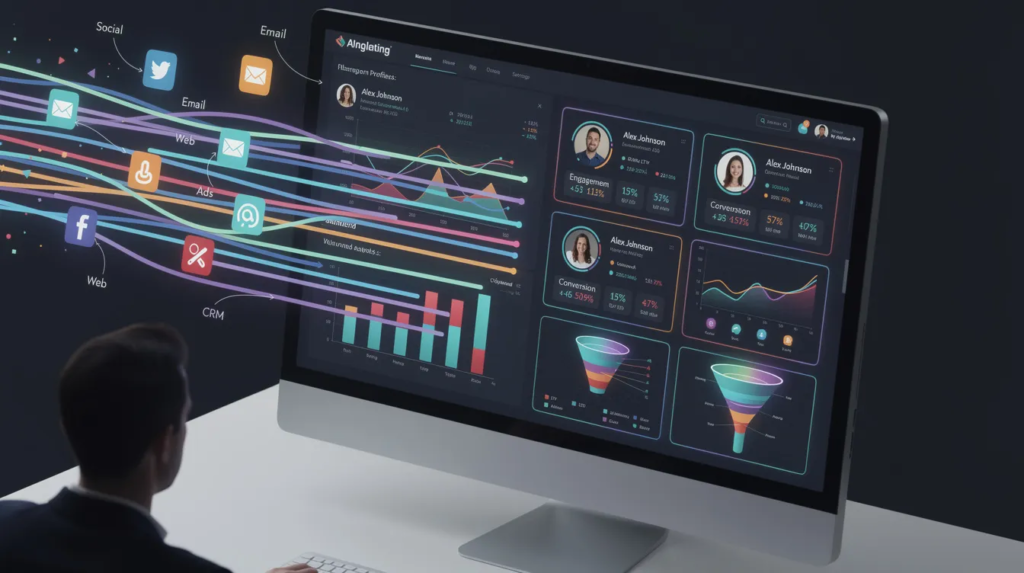
Top 5 Techniques Platforms Use to Boost Customer Visibility
This section presents five numbered, skimmable techniques with clear intensity, risk, and skill considerations. Each technique describes what to do, which platform capabilities to use, and how it improves brand visibility.
Technique 1: Build Unified Customer Profiles
Intensity: Medium | Risk: Low | Skill: Marketing + basic data
Use CDPs and customer engagement platforms to merge CRM records, website analytics, and purchase data into unified customer profiles. This creates a single view of each customer that updates as they interact with your brand.
Key platforms include Customer Success Platforms (CSPs), Customer Engagement Platforms (CEPs), marketplaces, and social media. CSPs centralize data from sales, support, and product teams to provide a single view of customer health, usage patterns, and risk factors.
Start by connecting your three most important data sources. Most platforms handle the identity resolution automatically.
Technique 2: Track Cross-Channel Journeys
Intensity: Medium | Risk: Low–Medium | Skill: Analytics
Platforms follow users from ad click to website visit to email open to purchase. This reveals the actual path customers take, not the path you assume they take.
Targeted advertising on platforms like Facebook and Google allows targeting specific demographics to increase visibility. Cross-channel tracking shows you which touchpoints matter and where customers drop off.
Use journey analytics to identify friction points and optimize each step of the customer lifecycle.
Technique 3: Automate Behavior-Based Messaging
Intensity: Medium–High | Risk: Medium | Skill: Marketing automation
Set up triggers based on cart abandonment, content views, or inactivity periods. When customers take specific actions, the platform automatically launches targeted campaigns.
Automation and personalization in marketing use AI to deliver tailored messaging and create customer journey mapping. These platforms enable businesses to personalize interactions at scale by leveraging comprehensive customer data.
Common automations include welcome sequences, abandoned cart reminders, re-engagement campaigns, and product recommendations.
Technique 4: Use Segmentation and Predictive Scoring
Intensity: High | Risk: Medium | Skill: Data-savvy marketer
AI-driven segmentation predicts churn risk, upsell potential, or next-best offer based on audience behavior patterns. This goes beyond basic demographic segments to identify high-value audience segments.
Targeted engagement leads to higher conversion rates. Platforms score customers based on engagement signals, purchase history, and behavioral patterns.
Start with simple rule-based segments before adding predictive models.
Technique 5: Integrate Offline and Support Data
Intensity: High | Risk: Medium–High | Skill: Technical + ops
Connect POS systems, call-center logs, and support tickets to your marketing platforms. This gives you a complete picture of customer behavior across digital and physical touchpoints.
Proactive analytics monitor key metrics to anticipate needs and reduce churn. Centralized data ensures teams use consistent information for better decision making.
This technique requires more technical work but delivers the most complete visibility.
Comparison Table: Techniques for Improving Customer Visibility
Use this table to quickly compare approaches based on your team’s current capabilities and goals.
Technique | Intensity | Risk | Best For |
|---|---|---|---|
Unified Customer Profiles | Medium | Low | Companies starting to consolidate customer data |
Cross-Channel Journey Tracking | Medium | Low–Medium | Teams running multi-channel digital marketing |
Behavior-Based Automation | Medium–High | Medium | Brands wanting to increase customer engagement and conversions |
Predictive Segmentation | High | Medium | Data-mature teams focused on lifetime value and churn reduction |
Offline + Support Integration | High | Medium–High | Retailers and service businesses with complex journeys |
How Platforms Turn Raw Customer Data into Actionable Insights
Customer data comes in several types: demographic data (who they are), behavioral data (what they do), transactional data (what they buy), and engagement data (how they respond to your marketing data).
Platforms ingest this data from websites, mobile apps, email tools, ad platforms, CRMs, and payment systems. The ingestion happens automatically through pre-built connectors or APIs.
The transformation process follows these key steps:
Collect data in real time as customer interactions occur
Clean and standardize formats across different platforms
Resolve identities to match the same person across devices
Store profiles in a way that enables fast access for campaigns
Common analytics views include:
Cohort analysis showing how groups behave over time
Funnel reports revealing where customers drop off
Heatmaps displaying where users click and scroll
Multi-touch attribution for digital marketing ROI
Tools like HubSpot Marketing Hub and other customer engagement tools provide built-in dashboards that non-technical users can understand. These data driven insights help teams track performance without waiting for analysts.
Omnichannel Customer Engagement: Seeing and Serving Customers Everywhere
Omnichannel engagement means delivering a consistent experience across email, web, app, SMS, social, and in-person touchpoints. Every interaction reflects the same brand context and customer history.
CEPs centralize interactions across email, SMS, and apps for a consistent, personalized experience. Customer engagement platforms are designed to enhance customer experiences and streamline communication between businesses and customers through various interaction channels.
Visual storytelling and product tags on platforms like Instagram enable direct shopping. A key feature of customer engagement platforms is omnichannel orchestration, which allows businesses to coordinate seamless customer journeys across multiple channels.
Platforms typically connect these channels:
Website behavior and browsing history
Mobile app engagement
Email opens and clicks
SMS responses
Social media presence and interactions
Live chat conversations
Offline purchase data
Here’s how omnichannel visibility improves customer engagement:
Fewer repeated questions because every team sees the same history
More relevant offers based on actual behavior across channels
Smoother support experiences with full context available
Omnichannel orchestration depends heavily on accurate, unified customer data and up-to-date behavior tracking.
Key Features in Platforms That Improve Customer Visibility
This checklist covers must-have key features for any platform focused on visibility and customer engagement.
Feature 1: Unified Customer Data (CDP-like layer)
This builds real-time profiles from many systems. It serves as the foundation for everything else. Look for platforms that handle identity resolution across devices automatically.
Feature 2: Journey Tracking & Timelines
Visual timelines show each interaction and campaign touchpoint. This helps teams understand the actual customer lifecycle rather than guessing.
Feature 3: Segmentation & Targeting
Marketers can slice audiences by demographics, behavior, and lifecycle stage. Good platforms let you build segments without writing code and target audience groups precisely.
Feature 4: Marketing Automation
Workflows send emails, SMS, or in-app messages based on live consumer behavior. These customer engagement tools trigger actions automatically when customers meet specific criteria.
Feature 5: Attribution & Revenue Reporting
See which campaigns and marketing channels actually drive sales and retention. This connects marketing spend directly to revenue outcomes.
Feature 6: Proactive Health Monitoring
Proactive monitoring of behavior reduces churn and improves retention. Look for alerts and scores that flag at-risk customers before they leave.
All-in-one platforms like HubSpot Marketing Hub combine many of these key features in one place, making it easier for teams to get started.
Beginner Roadmap: Getting Started with Customer Visibility Platforms
If you’re new to customer visibility platforms, start with simple steps and low-risk actions. You don’t need to connect everything at once.
Step 1: Audit current data sources
List what customer data you have across website analytics, email tools, CRM, and ecommerce platforms. Identify gaps and duplicates. A well-optimized website that loads quickly and provides clear information is essential for establishing credibility and improving online visibility.
Step 2: Choose one primary platform
Select a customer engagement platform or CDP to act as your central hub. Most platforms offer free tiers or trials. This becomes your source of truth for customer information.
Step 3: Connect 2–3 core systems first
Start with website, email, and CRM instead of everything at once. This keeps risk low and lets you learn the platform before scaling. Utilizing paid advertising on platforms like Google Ads and social media can significantly increase a business’s visibility and drive traffic to their website. As you grow, focus on selecting the best platforms for startups to ensure you’re reaching your target audience effectively. Consider factors like user demographics and engagement levels, as these can greatly influence your marketing strategy. Additionally, integrating tools that allow for data analysis will help refine your approach and maximize your investment.
Step 4: Create basic segments
Build a few simple segments: new customers, repeat buyers, inactive users. Set up one basic campaign for each segment using lead nurturing principles.
Step 5: Measure early results
Track open rates, click through rates, and basic revenue lift. These early metrics prove value and justify expanding your use of the platform. Drive traffic to landing pages and measure what works.

Advanced Methods: Intense Ways to Deepen Customer Visibility
This section covers higher-intensity techniques for mature teams ready to go deeper with their marketing strategy.
Real-time personalization on-site and in-app
Use behavior and preferences to change website traffic experiences instantly. Show different content, offers, or product recommendations based on what the customer just did.
Predictive models within platforms
AI is transforming customer engagement by enabling businesses to deliver personalized experiences based on real-time customer data and behavior analysis. AI-powered customer engagement platforms can automate routine tasks, allowing businesses to focus on more strategic initiatives.
Implement churn risk scoring, product recommendations, and next-best-action models. The integration of AI in customer engagement tools allows for predictive insights, helping businesses anticipate customer needs.
Stitch offline transactions into digital profiles
Connect retail purchases, event attendance, and call center interactions to see true omnichannel consumer behavior. This reveals customer journeys that span digital and physical touchpoints.
Build custom executive dashboards
Merge marketing, sales, and support metrics into a single visibility view. Leadership needs to see how customer engagement connects to business objectives and revenue.
AI tools and voice search capabilities are becoming standard features. Traditional search methods are evolving, and search platforms now incorporate AI search results alongside standard listings.
Safety, Privacy, and Governance When Increasing Customer Visibility
More visibility means more responsibility for data privacy and security. The data you collect must be protected and used ethically.
Compliance basics you must address:
GDPR for EU residents requires explicit consent and data portability
CCPA/CPRA in California gives consumers control over their data
Other regional privacy laws may apply depending on where your customers live
Essential safety practices include:
Data minimization: collect only what you need for specific purposes
Clear consent: tell customers what you’re collecting and why
Encryption: protect data in transit and at rest
Access controls: limit who can see and use customer data by role
Platforms should support audit logs, permissions, and customer data deletion or export on request. This isn’t just legal compliance-it builds long term loyalty through trust.
Positive reviews can significantly improve a brand’s image, while negative ones can harm it, making proactive review management crucial. Regularly checking platforms like Google, Yelp, and industry-specific sites to monitor customer feedback is essential. Encouraging satisfied customers to leave reviews can improve overall ratings and attract more customers.
Warn against over-personalization that feels intrusive. Regularly review campaigns for fairness and bias, especially when using AI tools that infer customer attributes.
Psychological Effects and Customer Perception of High Visibility
Customers often notice when brands “know too much.” This perception can help or hurt trust depending on how you use the visibility you’ve gained.
Positive effects customers experience:
Feeling understood when recommendations match their needs
Receiving helpful, relevant content that saves time
Perceiving higher service quality from knowledgeable support
Negative risks to avoid:
Feeling tracked or surveilled across digital space
Loss of privacy when personalization seems excessive
Suspicion when recommendations feel “creepy” or incorrect
Guidelines for ethical use:
Only use visible, logical signals like recent purchases or browsed categories
Avoid inferring sensitive attributes unless explicitly provided
Test personalization with customer feedback before scaling
Transparency tactics that build trust:
Preference centers where customers control what data you use
Plain-language privacy pages explaining data practices
Periodic reminders about data controls and opt-out options
The goal is stronger customer relationships, not surveillance. Deliver tailored experiences that feel helpful, not intrusive.
How Platforms Improve Brand Visibility and Marketing Performance
Customer visibility and brand visibility work together. When you clearly see your customers, your brand appears more consistently across every channel.
Search Engine Optimization is the cornerstone of online visibility. Implementing strong SEO practices, such as using relevant keywords and optimizing site speed, can help improve search engine rankings. This matters because 75% of users never scroll past the first page of search results.
Clearer visibility lets you create consistent messaging and creative across paid advertising, email, video content, and on-site customer experiences. Video marketing and quality content become more effective when targeted precisely.
Better targeting and personalization increase customer engagement metrics like click through rates and conversion rates. Local businesses benefit from local SEO strategies that put them in front of nearby potential customers through search engines.
Attribution and journey analytics reveal which digital marketing channels truly drive brand visibility. You can see whether social media platforms, Google Ads, search engine optimization, or email delivers the best results.
Over time, platforms help refine your positioning and content strategy based on real consumer behavior data. You’ll understand which relevant content resonates with different audience segments and where to focus lead generation efforts. This insight allows you to implement effective strategies to avoid marketing distractions and prioritize your messaging. By targeting the most impactful channels and audiences, you can ensure that your marketing efforts remain streamlined and focused. Ultimately, this will lead to improved engagement and higher conversion rates.
Brand authority grows when you consistently deliver relevant content to the right audience behavior patterns. Online communities and social platforms become easier to engage when you understand what your audience actually wants.
FAQ: Common Questions About Platforms and Customer Visibility
How is a customer engagement platform different from a CRM for visibility?
CRMs mainly store contact records and sales interactions. They’re designed for salespeople to track deals and customer information. Customer engagement platforms activate that data across marketing channels in real time. Utilizing customer journey mapping strategies can help organizations identify key touchpoints and improve overall customer experience. By visualizing the customer’s path, businesses can tailor their marketing efforts and ensure consistent messaging across all platforms. This comprehensive understanding enables teams to make data-driven decisions that enhance engagement and retention.
CEPs usually provide real-time behavior tracking, marketing automation, and journey analytics that a basic CRM lacks. They’re built for engagement, not just record-keeping.
Many companies integrate both so CRM data and engagement data feed one another for better visibility. The CRM handles direct links to sales while the CEP handles broader customer experiences.
Do small businesses really need platforms to improve customer visibility?
Even small businesses benefit from basic visibility. Tracking email engagement, website traffic patterns, and simple segments reveals insights that improve marketing results.
Start with lighter-weight tools or free tiers before investing in enterprise-level customer engagement platforms. Local businesses can use Google Analytics and basic email tools to establish credibility and understand customers.
The goal is not complexity but a clearer picture of who your customers are and how they find you. A strong online presence starts with understanding customer behavior.
What data should I connect first to get value quickly?
Prioritize website analytics, email marketing data, and transaction data to form a core visibility layer. These three sources reveal who visits, who engages, and who actually buys.
This combination provides enough insight to start personalizing campaigns and improving customer satisfaction. You’ll see product data, engagement patterns, and purchase history in one view.
Add social media, support tickets, and offline data later once the basics are stable. Branded search and AI visibility features can come after you’ve mastered fundamentals.
Can I improve customer visibility without using AI?
AI is helpful but not required. Many visibility gains come from simply centralizing data and using basic reporting. Most platforms provide value without any AI features enabled.
Start with rule-based segments, simple automations, and standard dashboards. This approach works for enabling businesses of any size to improve their marketing.
When you do add AI, start with low-risk use cases like send-time optimization or product recommendations. Google’s AI Mode and AI search are changing search engine results, but traditional search strategies still matter.
How long does it take to see results from better customer visibility?
Early wins like better email targeting and improved reporting often appear within 30–90 days. You’ll see clearer data and more accurate segments almost immediately after connecting systems.
Deeper benefits like improved lifetime value, loyal customers, and sustained brand visibility usually show over 6–12 months. Customer satisfaction improvements take time to compound.
Track specific KPIs from the start so you can communicate impact to leadership. Measure new customers acquired, satisfied customers retained, and revenue per customer to show progress toward business objectives.