When to Connect Platforms and When to Keep Them Separate
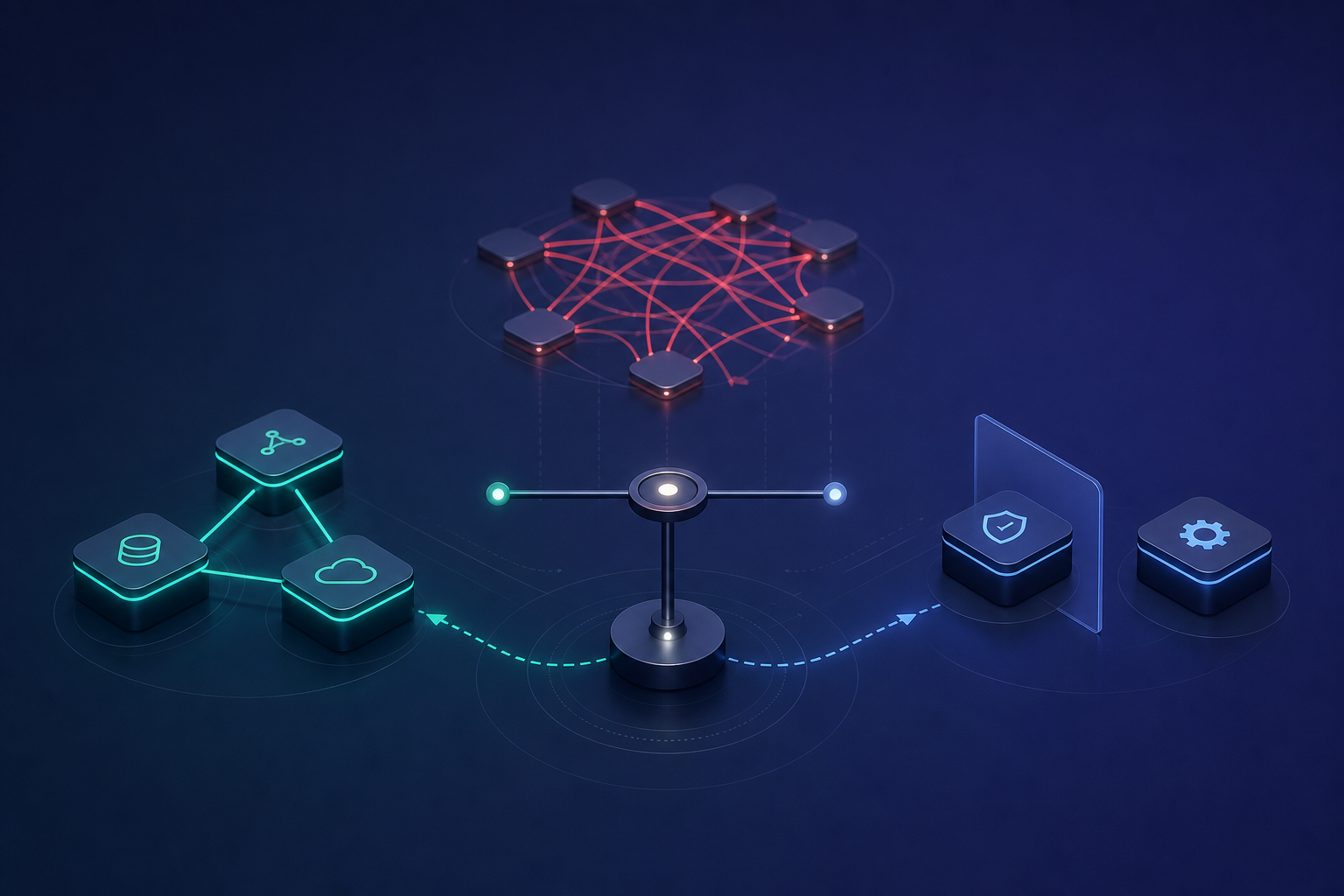
Illustration showing intentional platform connections alongside deliberately separated systems, contrasted with risky over-connected integrations

Key Takeaways Not every elevated platform should be connected, even if it seems convenient or physically close to another structure. OSHA platform requirements, access needs, and fall protection rules serve as the first filter for deciding whether to connect or separate platforms. Connecting platforms works best for routine, high-traffic movement; keeping platforms separate works best … Read more


How to Avoid Building a Messy Tech Stack

Illustration of an overlapping, tangled tech stack with duplicate tools contrasted against a simpler organized software stack

Key Takeaways A messy tech stack creates hidden cost, technical debt, and slows teams down more than individual skill gaps ever will. The drag compounds silently over months. Your goal is to design an efficient tech stack from day one and continuously simplify it-not collect more tools hoping they’ll fix the same problems. This guide … Read more

The Difference Between a Platform and a System (With Operating System Examples)

Conceptual illustration contrasting a standalone platform tool with an integrated business system where components work together

Understanding what separates a platform from a system can save you from confusion in architecture discussions, vendor negotiations, and project planning. This post breaks down both terms, shows where operating systems fit, and gives you a practical decision guide. Key Takeaways A system is a complete tool that solves a specific problem, while a platform … Read more

How Automation Changes the Value of a Platform

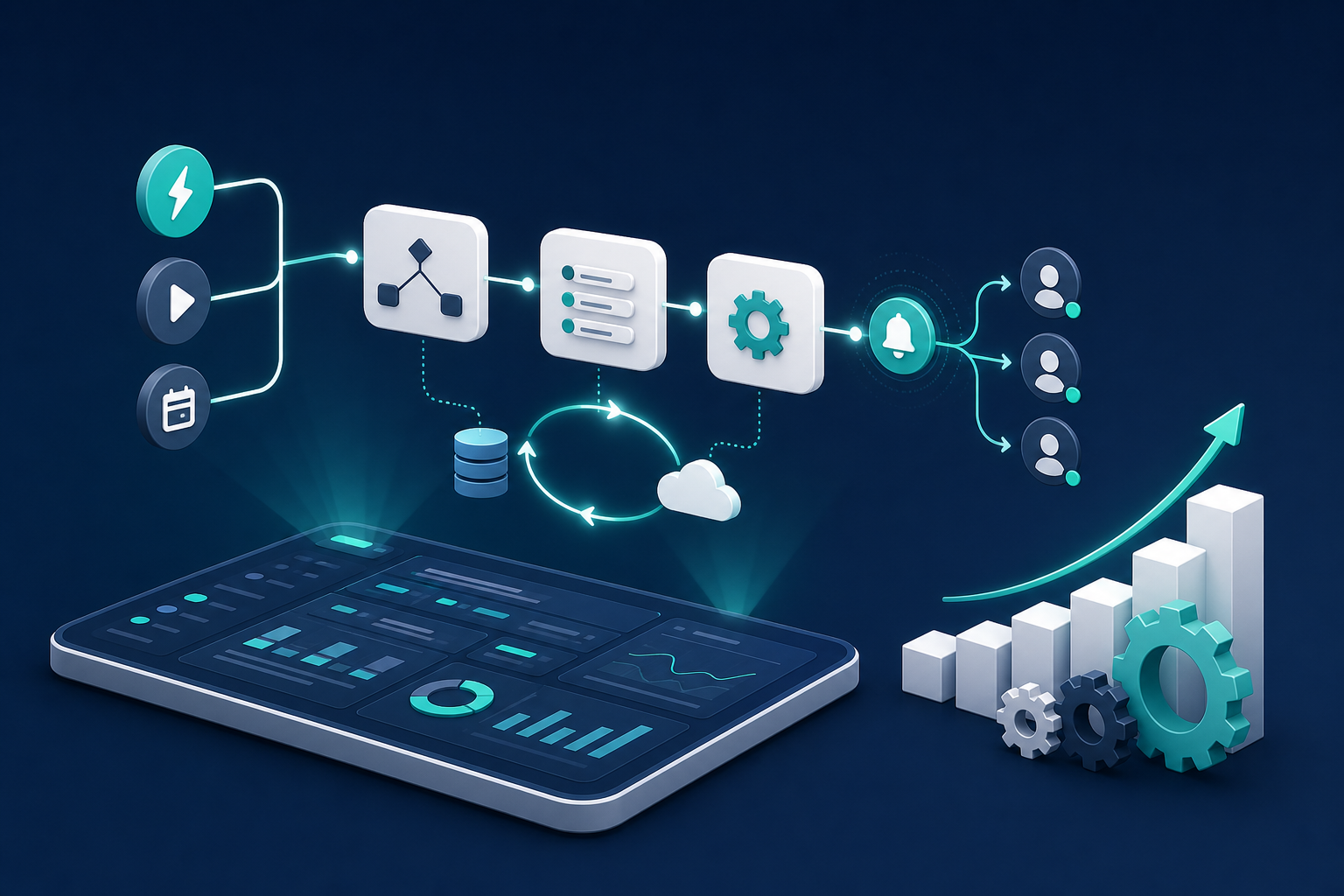
Automation workflow diagram showing triggers, task routing, notifications, and data sync increasing platform operational value

Key Takeaways Automation exponentially increases platform value by driving operational efficiency, hyper-personalization, and infinite scalability across digital marketplaces. AI-driven automation incorporates machine learning and natural language processing, enabling systems to handle complex, unstructured tasks and continuously improve their performance. Platforms that thrive balance AI-driven efficiencies with human curation and oversight to maintain trust and engagement. … Read more

Why Platform Integrations Matter More Than Individual Features

Photorealistic overhead desk image with no people: laptop, phone, and tablet linked through a central hub with subtle sync lines, while a disconnected standalone screen sits aside

The way companies buy software has fundamentally changed. In 2026, asking “what features does this tool have?” comes second to “how does this connect to everything else we use?” This guide breaks down why platform integrations now drive more value than isolated features-and how to make integration a core part of your product strategy. Key … Read more

How to Know if a Platform Is Actually Working in 2026

Photorealistic desk image with no people: an ultrawide monitor showing blurred 2026 platform KPIs beside a printed scorecard and monthly reports

Knowing whether your platform is actually working goes beyond seeing a homepage load. A platform that’s “online” might still have broken forms, failed tracking, or silent payment errors that cost you leads and revenue every day. This guide walks you through how to check technical uptime, user flows, and real-world outcomes in under an hour. … Read more

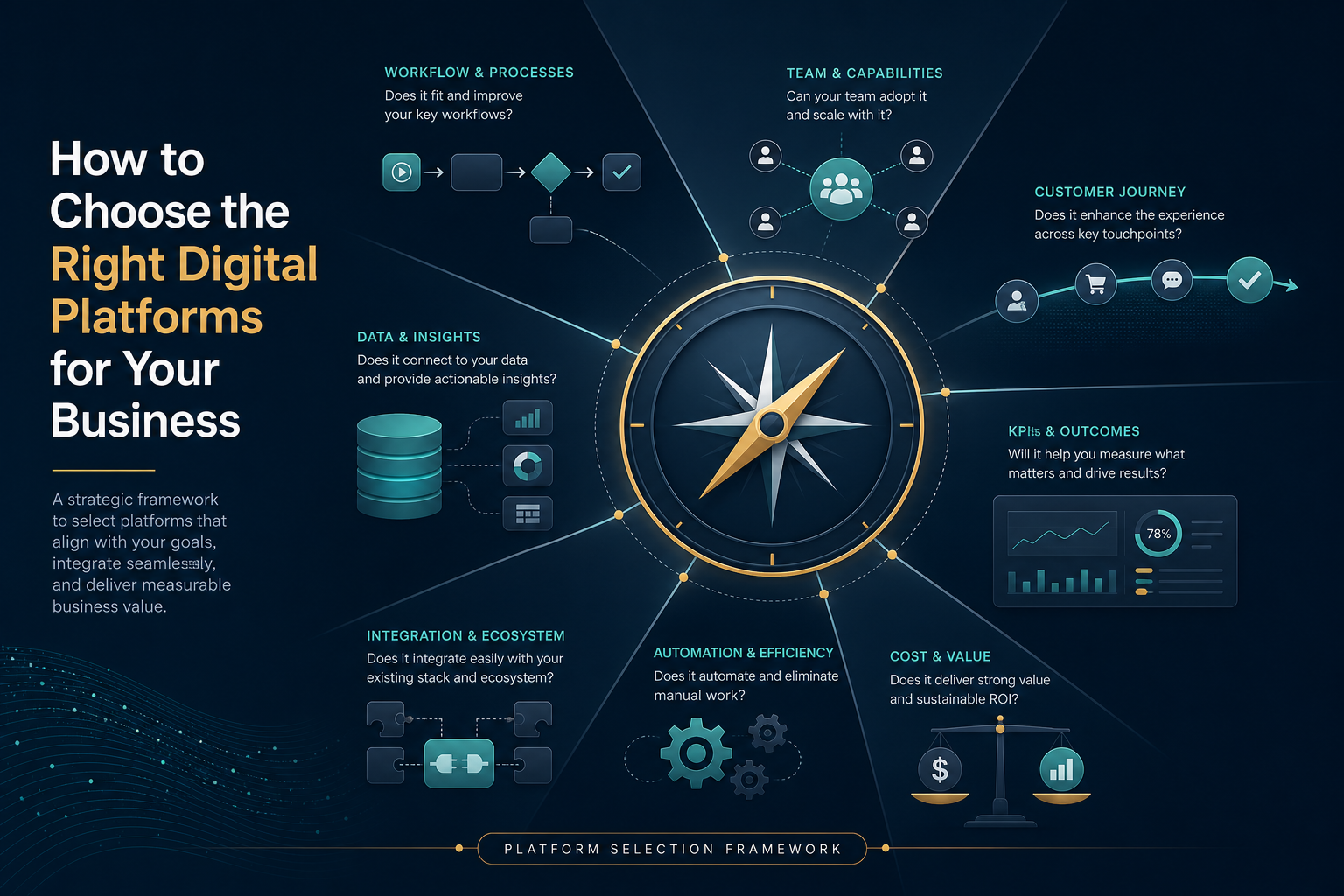
How to Choose The Right Digital Platforms for Your Business

Pillar article featured image for how to choose the right digital platforms for your business—aligning software with real workflows, teams, customer journeys, data needs, and operational goals—not only features, pricing, or popularity

Selecting the right digital platforms is not about chasing the latest trends or copying your competitors. It is about matching tools to your actual workflows, team capabilities, and customer journey. Over 5 billion people spend an average of 2 hours and 20 minutes per day on social media, highlighting the vast potential audience available online. … Read more

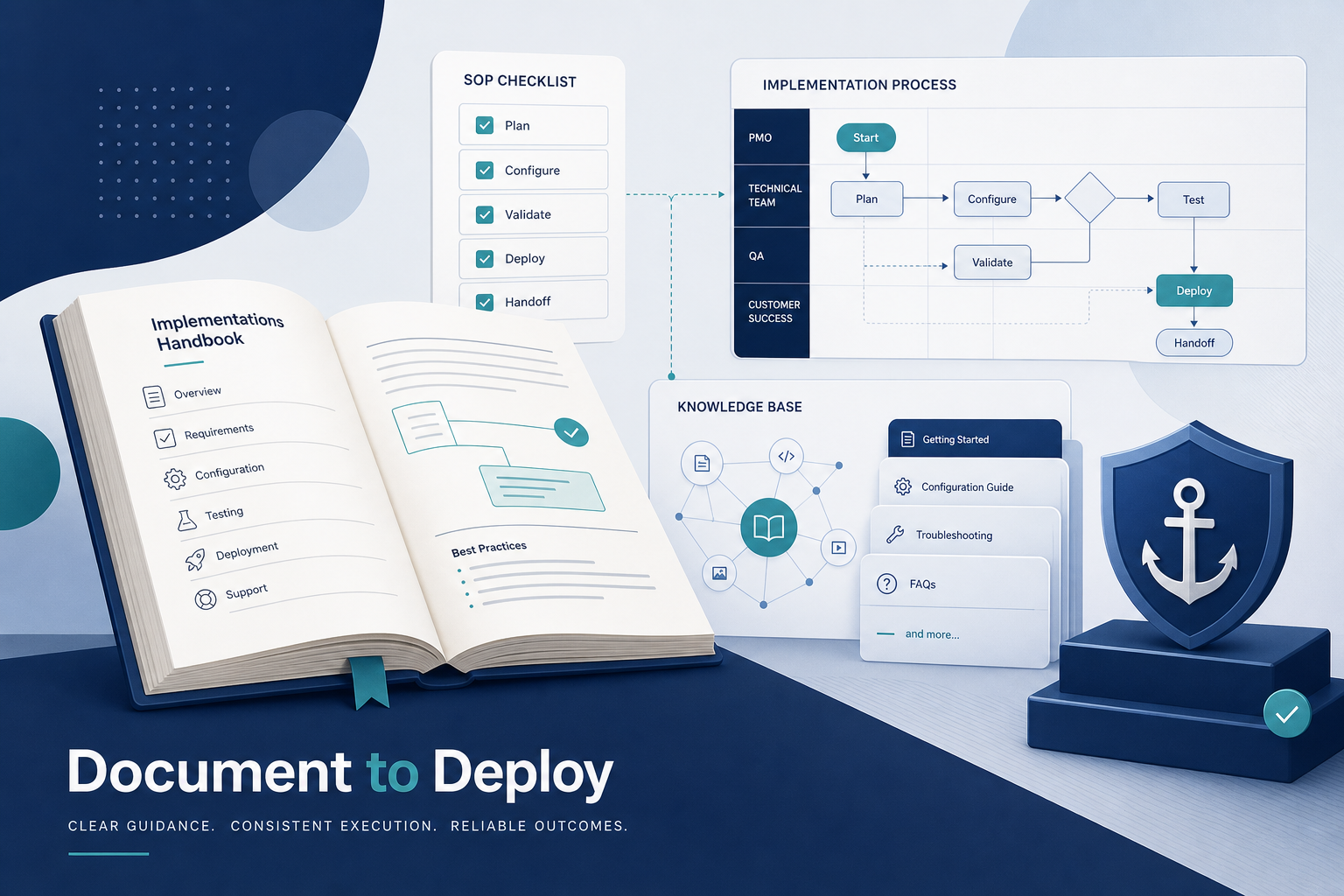
The Importance of Documentation When Implementing Software

Featured image for an article on the importance of documentation when implementing software, connecting platform success to SOPs, process maps, and internal knowledge bases

Documentation is the backbone of every successful software project. It captures decisions, preserves knowledge, and guides teams through complex implementations. Yet many organizations treat it as an afterthought—a box to check before launch. This approach costs real money. According to Gartner, 70% of software maintenance costs stem from inadequate documentation. For custom software projects launched … Read more

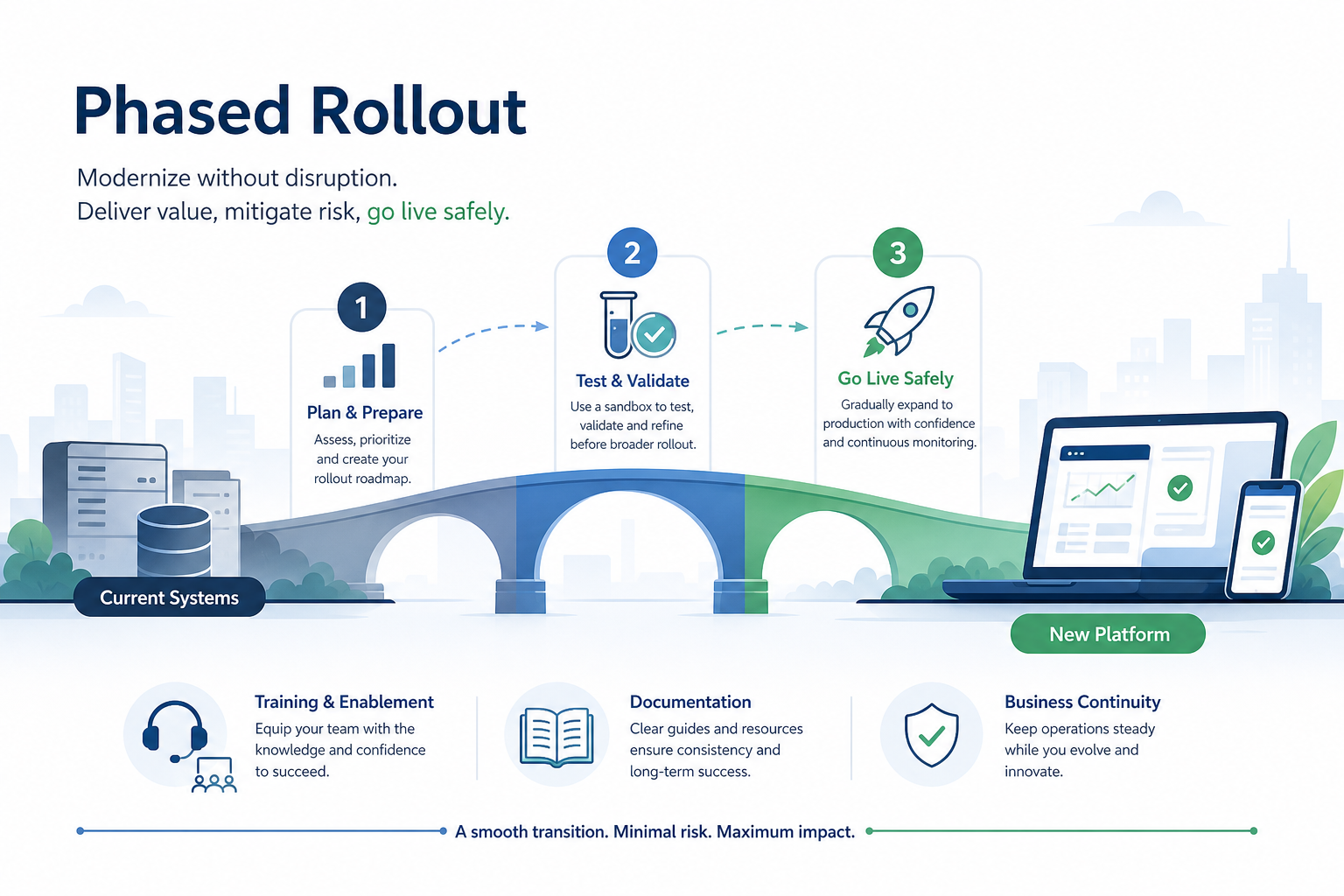
How to Roll Out a New Platform Without Disrupting The Business

Featured image for a guide on how to roll out a new platform without disrupting the business, covering phased implementation, testing, training, and documentation

Key Takeaways A safe rollout means keeping revenue, customer service, and core operations stable while the new platform comes online. Define success in business terms, not technical milestones. Phased rollouts, parallel runs, and strong change management are the best practices for avoiding disruption during any platform migration. Teams must map dependencies in legacy systems and … Read more