Why Platform Implementations Fail (and How to Stop It Happening to You)
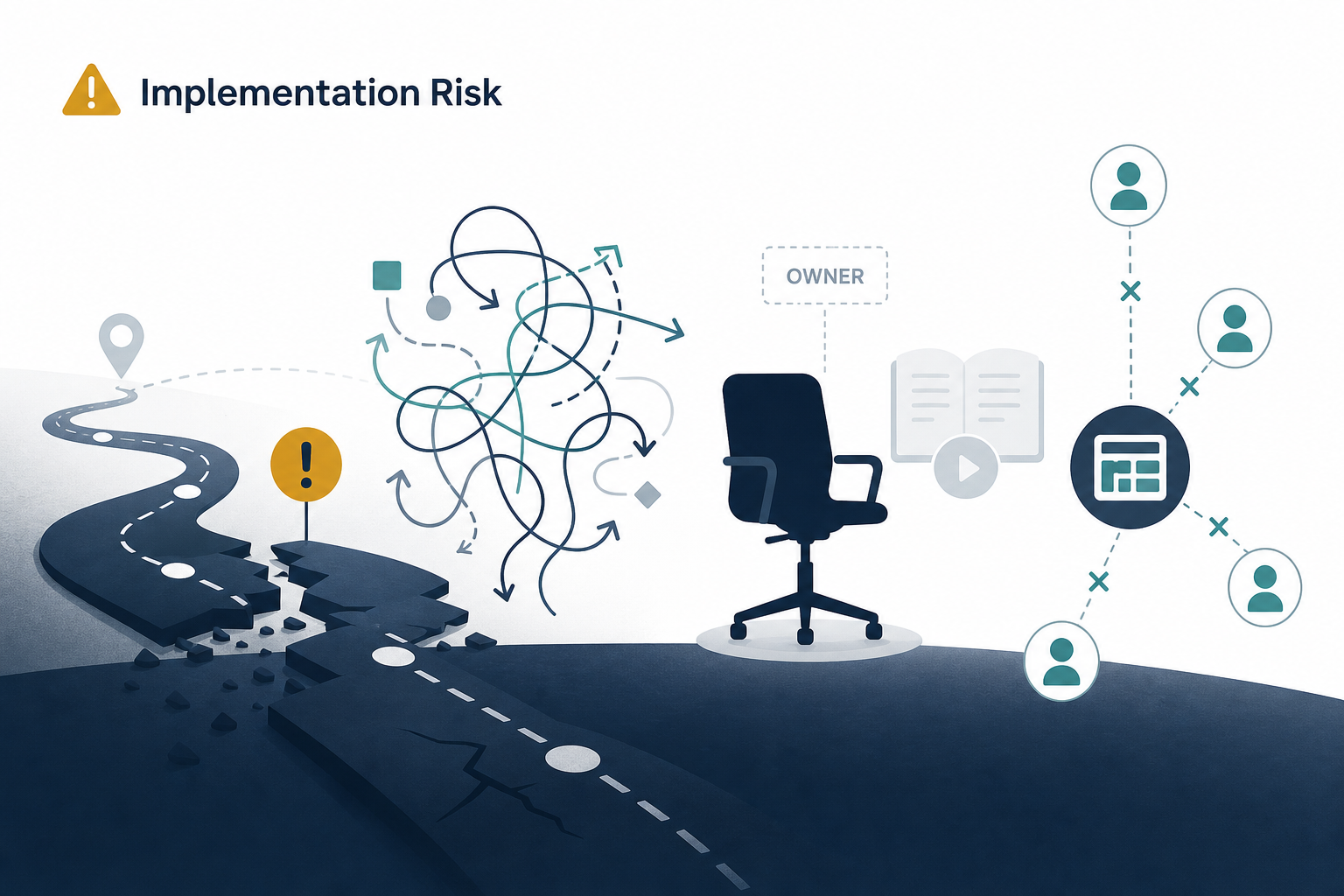
Featured image for an article on why platform implementation fails, covering poor planning, unclear workflows, lack of ownership, weak training, and no adoption process

Most platform implementations don’t fail because the software is broken. They fail because organizations rush into technology decisions without aligning business needs, data readiness, and people. This article breaks down the concrete patterns behind implementation failure and shows you how to avoid them. Key Takeaways Platform implementation covers ERP systems, data platforms, PLM, CMS, and … Read more
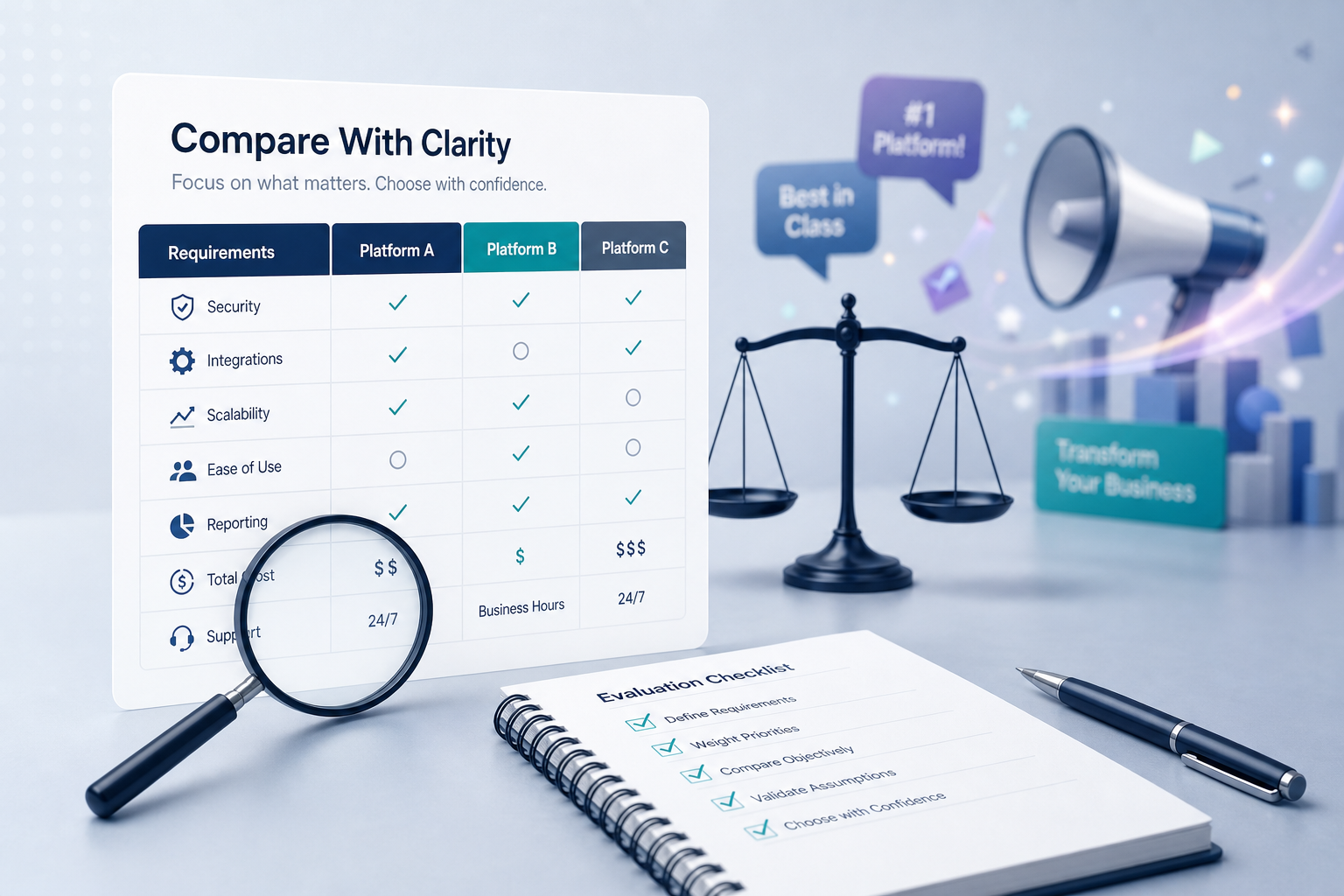
How to Compare Software Platforms Without Getting Distracted by Marketing

Featured image for a guide on how to compare software platforms without getting distracted by marketing, emphasizing practical evaluation over sales-page promises

Every software vendor promises to transform your business. Bold claims, polished demos, and impressive case studies flood your inbox. The challenge is separating genuine value from marketing noise. A clear, structured approach lets you cut through the hype and find the right software for your specific needs. Key Takeaways Start from your own business objectives, … Read more

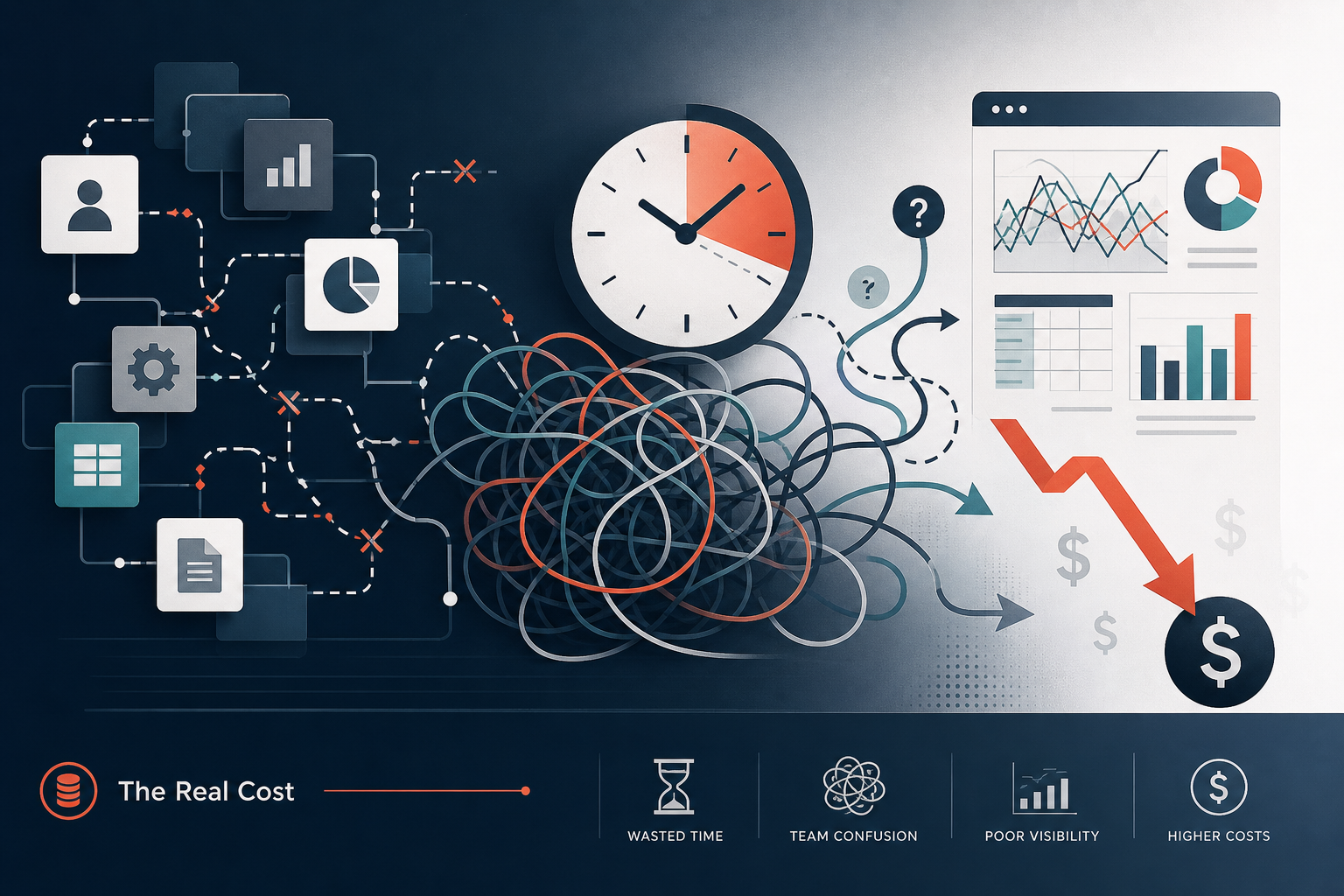
The Real Cost of Choosing The Wrong Platform

Illustration for an article on the real cost of choosing the wrong platform, including wasted time, team confusion, broken workflows, duplicate tools, and poor reporting

Key Takeaways Choosing the wrong platform creates hidden costs, lost revenue, and sunk cost that often exceed the original price tag by 3-5x over five years. The biggest risks appear months after go-live: integration failures, low user adoption, and costly workarounds that quietly inflate total cost of ownership. Careful decision making and a structured selection … Read more

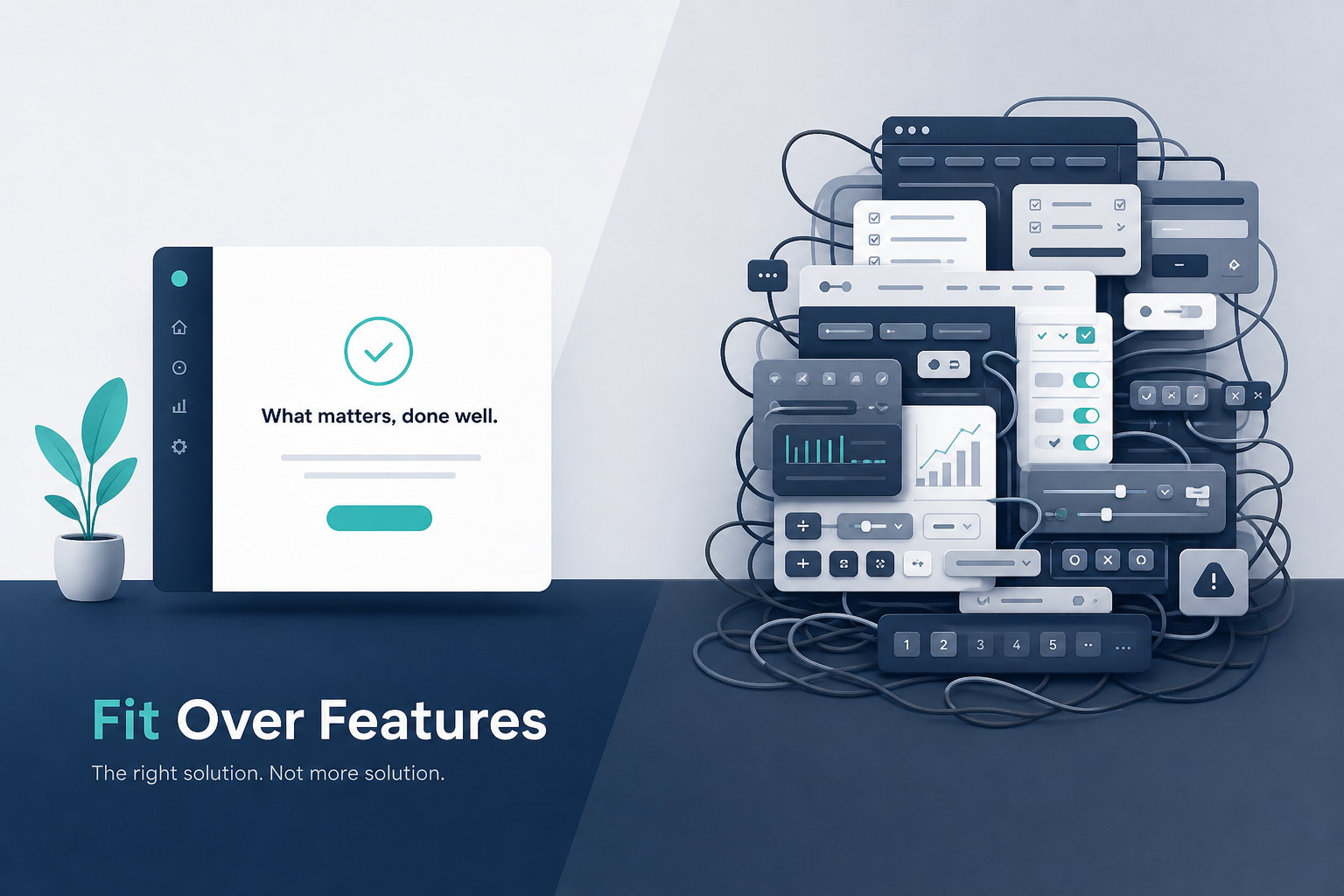
Platform Fit vs Feature Overload: Why More Features Are Not Always Better

Platform Fit vs Feature Overload

Key Takeaways Feature overload happens when products or martech stacks add more features and platforms than users can realistically adopt. This reduces value instead of increasing it. The goal is platform fit: choosing a smaller, focused set of tools that match concrete user needs and workflows, not chasing every possible capability. Too many features and … Read more

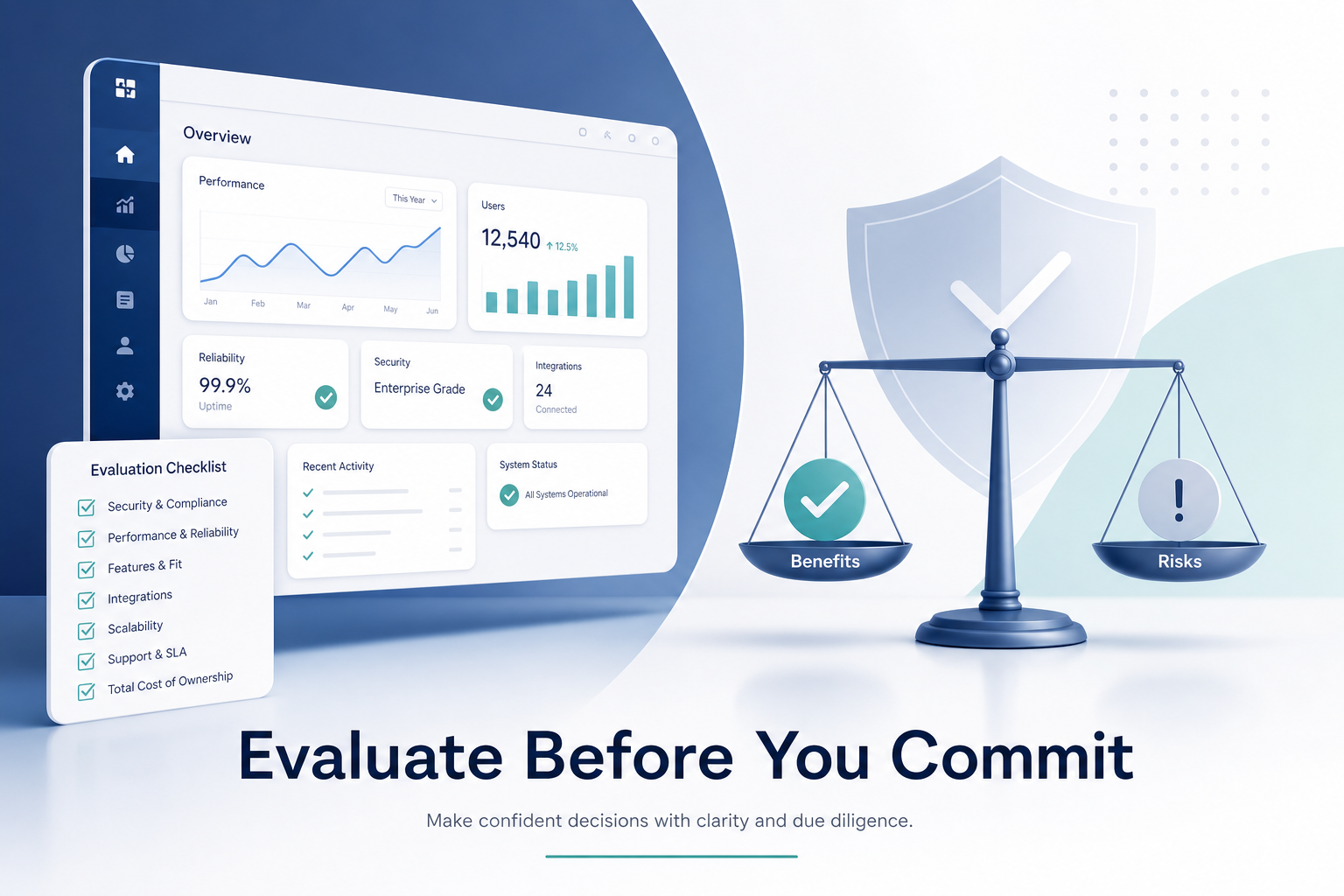
How to Evaluate a Digital Platform Before You Commit

How to Evaluate a Digital Platform Before You Commit

Choosing a digital platform is a strategic decision that shapes your digital transformation, not just an IT purchase. The wrong choice locks your organization into rigid architectures and high switching costs for years. This guide gives you a structured evaluation process to assess any new platform against your business objectives, real user workflows, and long … Read more

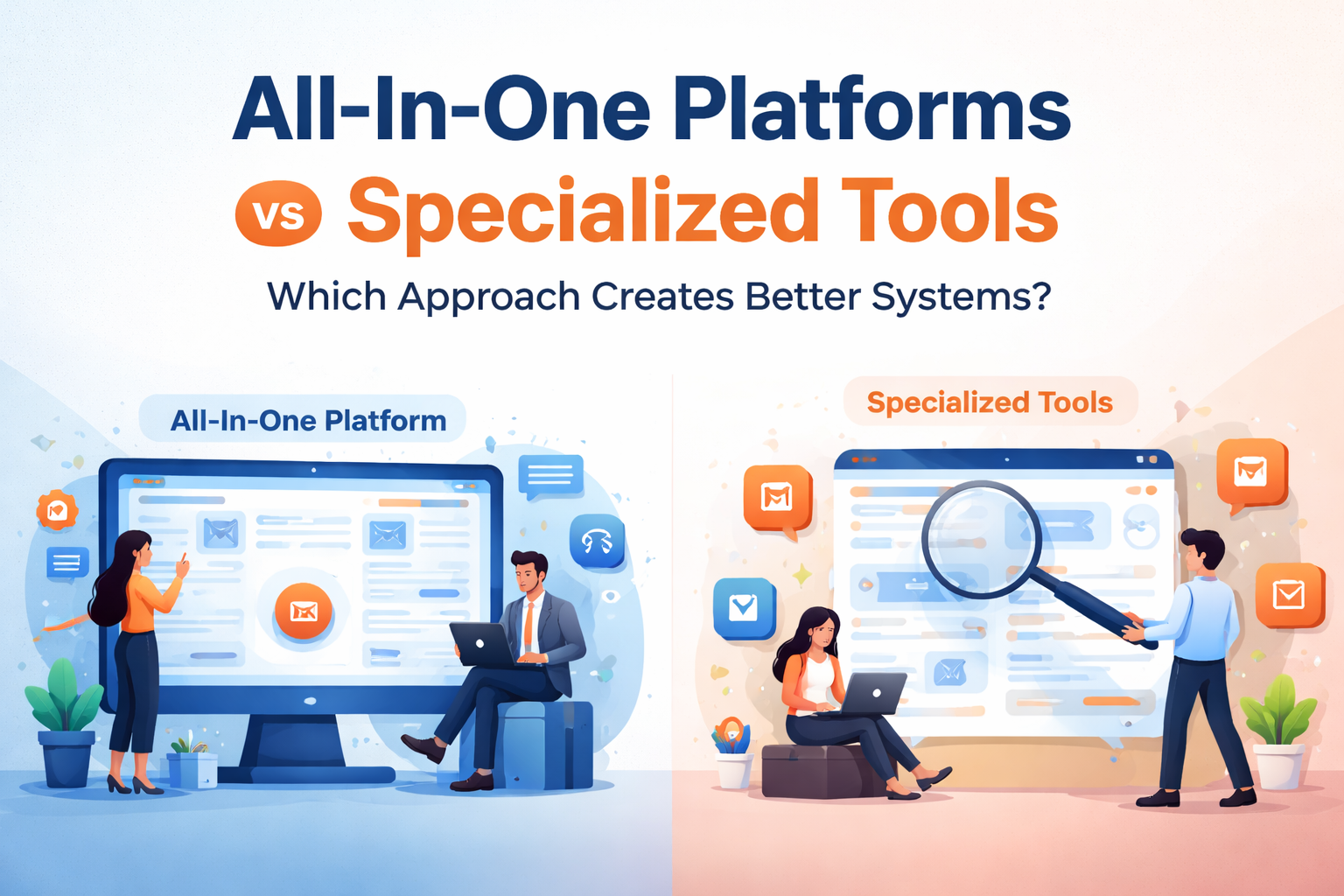
All-in-one Platforms vs Specialized Tools: Which Approach Creates Better Systems?

All-In-One Platforms vs Specialized Tools: Which Approach Creates Better Systems?

Key Takeaways Should you consolidate your business operations into a single platform or architect a stack of specialized tools? This is the fundamental question facing every operations leader in 2026. The honest answer: neither approach is universally better. Most teams in 2026 run hybrid stacks—a core platform like HubSpot, Salesforce, or ClickUp combined with a … Read more

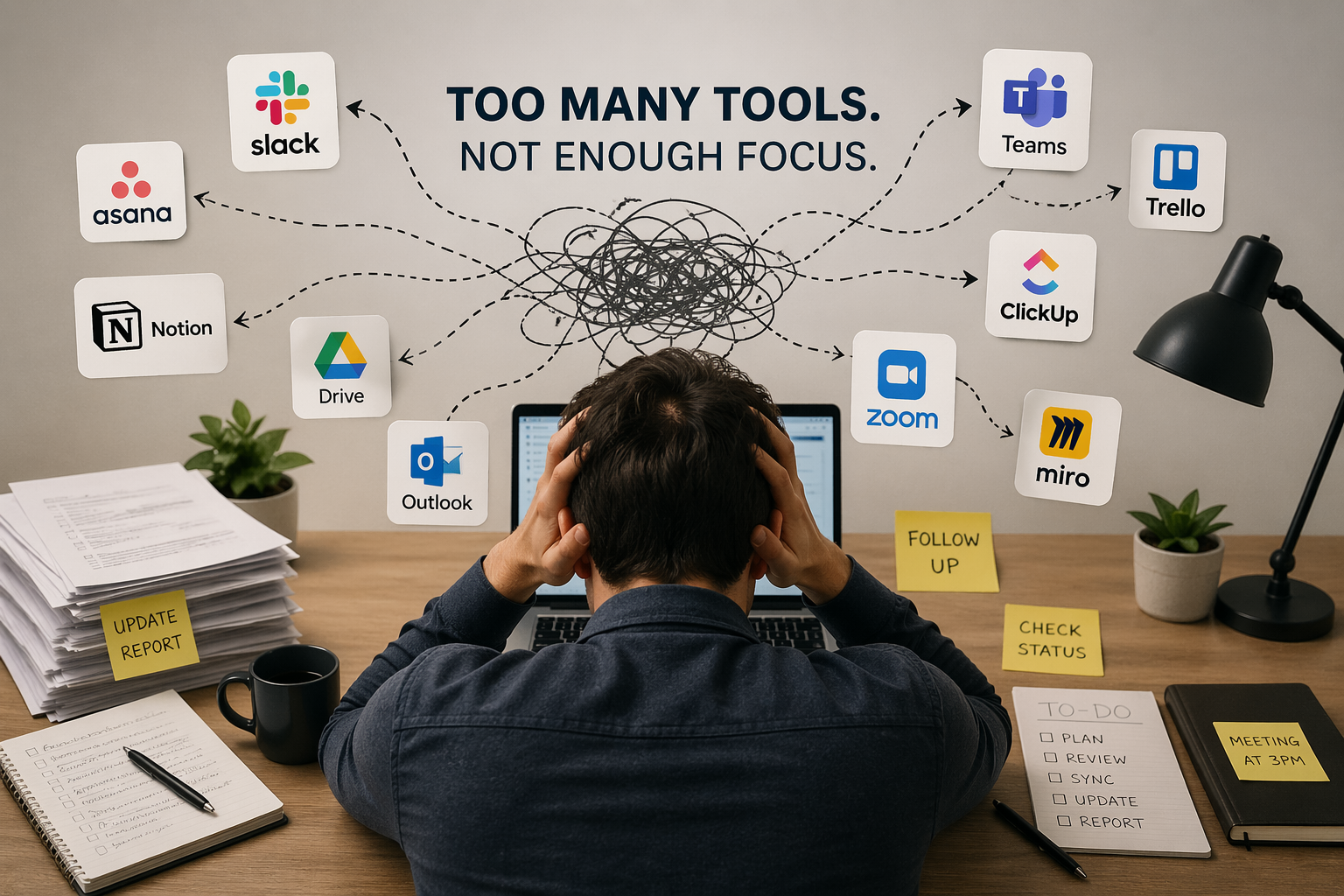
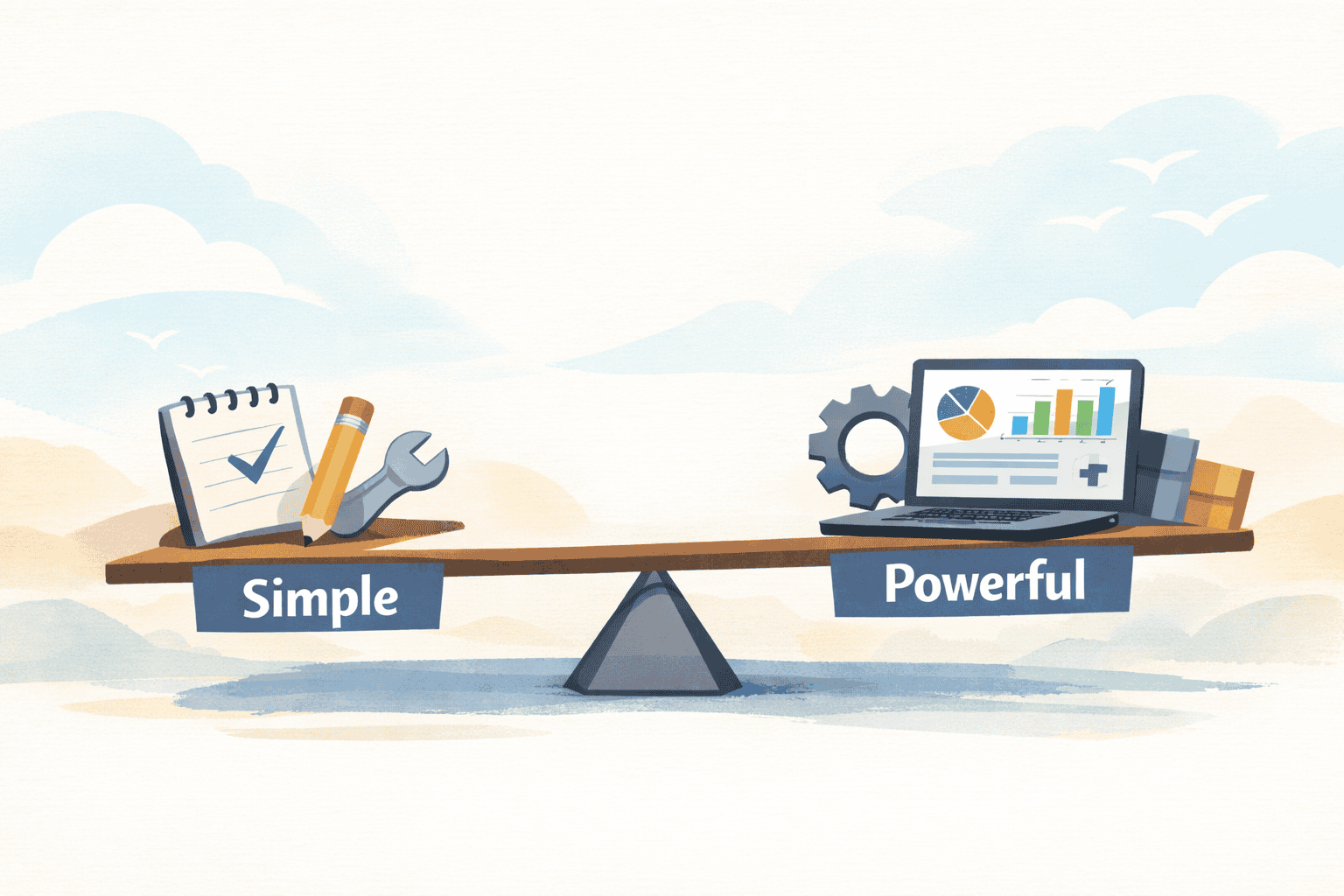
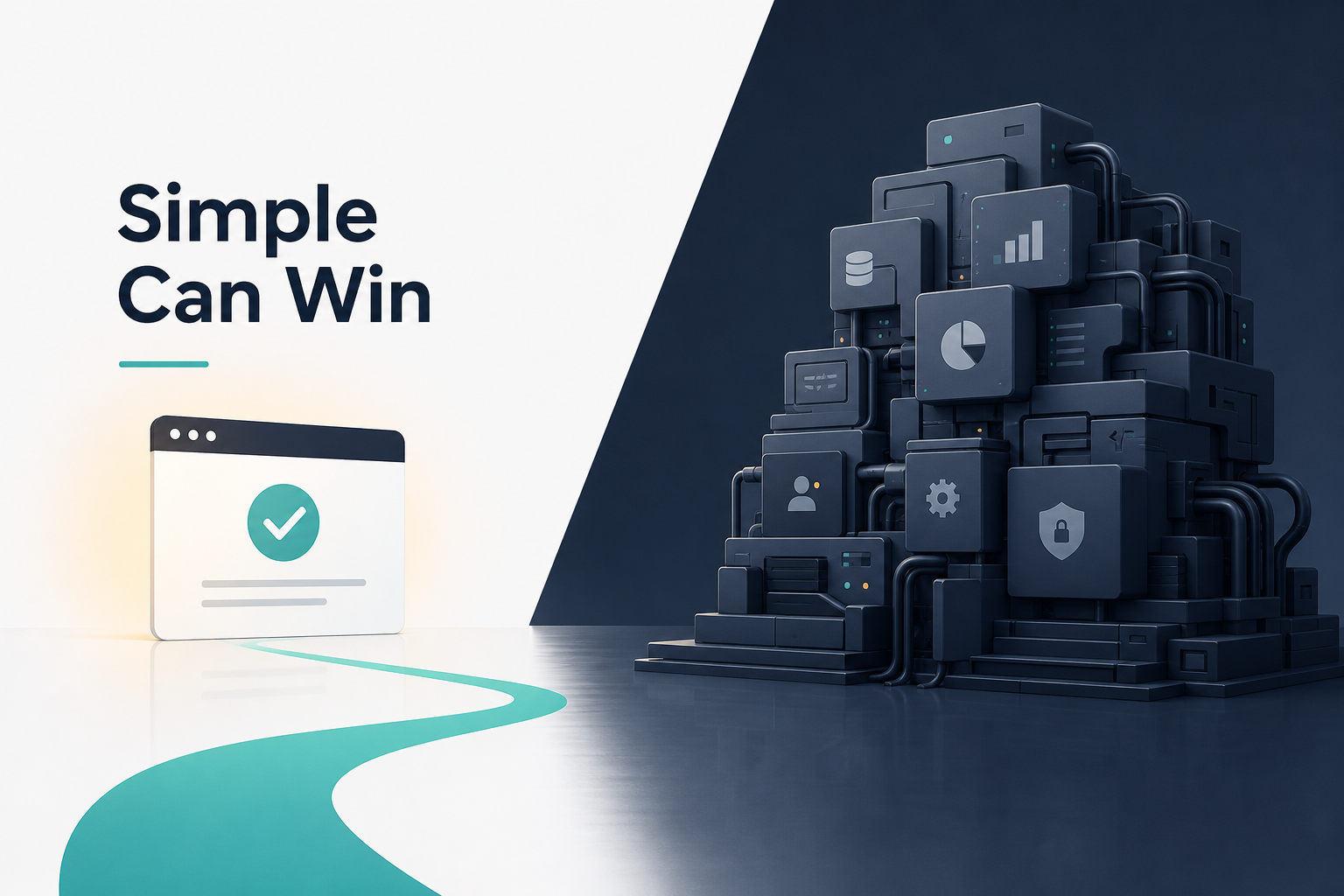
Choosing Tools: When Simple Beats Powerful 

Choosing Tools: When Simple Beats Powerful

In 2012, global spending on public cloud services hit $110 billion, kicking off an era where more features meant more value—or so we thought. The SaaS boom promised scalable efficiency through feature-rich platforms like Salesforce, Asana, and monday.com. Every vendor pitched an all-in-one solution that would future-proof your operations. Fast forward to 2022, and a … Read more